
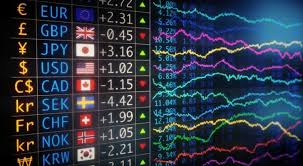
In the fast-paced world of Forex trading, having a concrete framework can mean the difference between success and failure. This article will delve into the essential components of a Forex trading framework, providing professional guidelines that traders can implement to improve their strategies. Ensure you explore more insights at forex trading framework professional guidelines forex-level.com.
Understanding the Forex Trading Framework
The Forex market is the largest financial market in the world, with an average daily trading volume of over $6 trillion. Therefore, having a solid trading framework is imperative for any trader aiming to navigate this complex marketplace effectively. A trading framework integrates various elements, including risk management, strategy development, technical and fundamental analysis, and psychological readiness.
1. Establishing a Trading Strategy
The foundation of a successful Forex trading framework is a well-defined trading strategy. A trading strategy should be a comprehensive plan that outlines the conditions under which you will enter and exit trades. It generally consists of the following components:
- Market Analysis: Choose between technical, fundamental, or sentiment analysis to determine your market approach.
- Timeframes: Decide on the timeframes that best suit your trading style, whether it be day trading, swing trading, or long-term investing.
- Entry and Exit Rules: Define your criteria for entering and exiting trades to minimize emotional decision-making.
2. Risk Management Protocols
Risk management is a crucial aspect of trading that protects your capital. Without a proper risk management plan, even the most astute traders can face substantial losses. Here are some vital elements of a robust risk management strategy:
- Position Sizing: Determine the amount of capital allocated to a single trade based on your overall account size.
- Stop Loss and Take Profit Levels: Utilize stop loss orders to limit potential losses and take profit orders to secure gains.
- Risk-to-Reward Ratio: Establish a favorable risk-to-reward ratio, usually aiming for at least 1:2 or higher.
3. Technical Analysis Tools
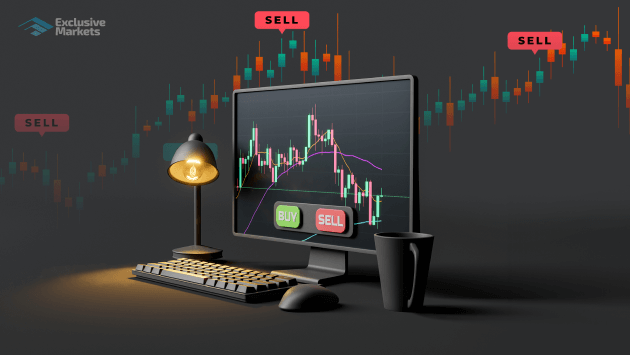
Technical analysis is an indispensable component of Forex trading. It involves evaluating price movements and volume data to identify trading opportunities. Common tools and indicators used in technical analysis include:
- Moving Averages: These help smooth out price action and identify trends.
- Relative Strength Index (RSI): This momentum oscillator identifies overbought or oversold conditions in the market.
- Support and Resistance Levels: Understanding these levels can guide your decision making and trade placements.
4. Fundamental Analysis Insights
While technical analysis focuses on price movements, fundamental analysis looks into the economic factors that may impact currency values. Traders should consider several critical economic indicators, including:
- Interest Rates: Central bank interest rates can greatly influence currency strengths.
- Economic Data Releases: Key data such as GDP growth, unemployment rates, and inflation can affect market sentiment.
- Geopolitical Events: Political stability and events can impact currency volatility and market movements.
5. Psychological Preparedness
Trading can be an emotional rollercoaster, and psychological readiness plays a vital role in your decision-making process. Cultivating the right mindset includes:
- Discipline: Stick to your trading plan and avoid impulsive decisions.
- Patience: Wait for the right trading opportunities rather than forcing trades.
- Managing Stress: Develop techniques to handle stress and anxiety associated with trading losses.

6. Backtesting Your Strategies
Before deploying a trading strategy in real-time markets, it is essential to backtest it against historical data. This process helps determine its potential efficacy and can provide valuable insights. Here’s how to approach backtesting:
- Collect Historical Data: Gather relevant historical price data for the currency pairs you plan to trade.
- Simulate Trading: Use a demo trading account to simulate trades based on your strategy in past market conditions.
- Review and Adjust: Analyze the results and made adjustments to your strategy if necessary.
7. Continual Learning and Adaptation
The Forex market is continuously evolving, driven by economic changes, political events, and technological advancements. To remain competitive, traders must prioritize continual learning and adaptation. This can be achieved through:
- Educational Resources: Engage with books, courses, and webinars that focus on Forex trading.
- Networking with Other Traders: Join trading communities to exchange ideas and strategies with fellow traders.
- Adapting to Market Change: Stay updated with market news and trends to refine your strategies accordingly.
Conclusion
Creating a professional Forex trading framework involves integrating strategy, risk management, analysis techniques, and psychological preparedness. By following these guidelines and continually refining your approach, you will be better equipped to navigate the complex landscape of Forex trading. Success in trading is not solely about making profits; it’s about developing a disciplined and structured approach that allows you to grow over time.
Remember, the journey to becoming a successful Forex trader takes time, patience, and a commitment to ongoing education and improvement. Start by implementing these fundamental guidelines, and watch your trading skills flourish.